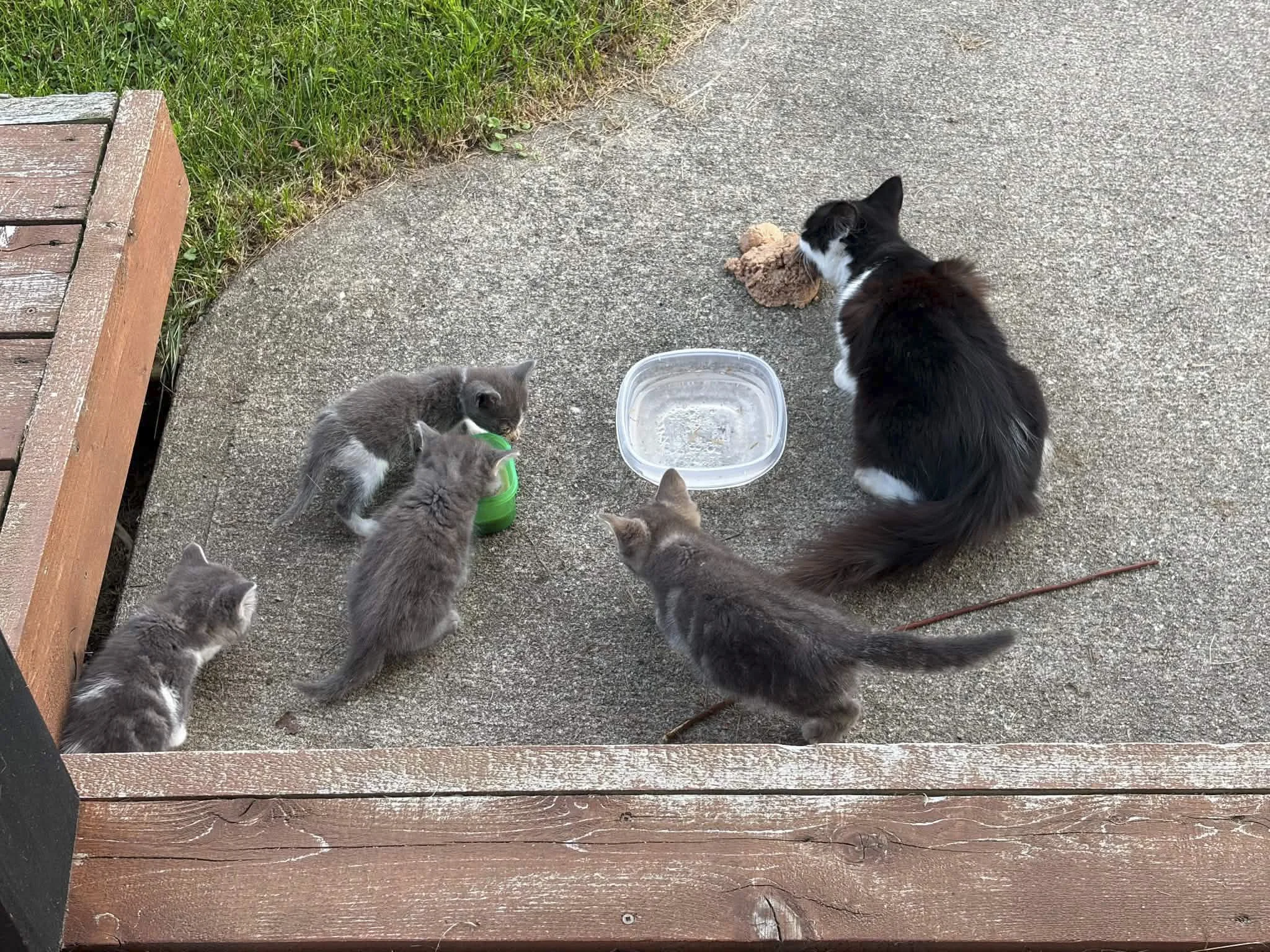
Found a cat, kittens, or a colony?
Every cat's situation is different. The best way to help depends on the cat's needs, what you can do, and what TNR La Pêche has the capacity to offer.
Helping cats, together
TNR La Pêche is a small, volunteer-run registered not-for-profit organization without a shelter facility.
We wish we could help every cat and kitten in need, but our ability to do so depends on available foster homes, volunteers, resources and support from the community. We also need to have the capacity and resources to take on the work ourselves.
Before submitting a request, please consider the following six questions first
They'll help you determine the best next step for the cat or kitten you've found, and whether TNR La Pêche is the right organization to contact.
-
TNR La Pêche is not a rehoming service for owned cats. If you can no longer care for your cat or need help finding them a new home, please contact an organization that specializes in owner-assisted rehoming.
Some resources include:
-
A friendly cat living outdoors isn't necessarily abandoned. Many owned cats spend time outside, and a healthy, well-cared-for appearance may indicate that someone is looking after them.
Before assuming a cat needs to be rescued, please try to:
Check for a collar or identification.
Look at the cat's left ear. A small, straight-cut tip (ear-tip) indicates that the cat has already been sterilized through a trap-neuter-return program.
Ask neighbours if they recognize the cat.
Post a found-cat notice in your local Facebook community group.
Bring the cat to a veterinarian to have them scanned for a microchip.
Whenever possible, make an effort to locate the owner before moving a friendly outdoor cat into care.
And please be careful approaching, touching, or picking up cats. -
Very young kittens may still depend on their mother for food, warmth and care.
If you find tiny kittens, don't assume they have been abandoned just because their mother isn't immediately present, as she may be off looking for food.
Whenever possible:
Observe the kittens from a safe distance to see whether their mother returns.
Avoid disturbing or moving the kittens unless they are in immediate danger.
The mother and kittens should be together until the kittens are old enough to be safely separated.
If you're unsure whether the kittens need help or if they can safely trapped along their mother, please tell us their approximate age and what you've observed when you submit your request for assistance.
-
If you live in or find a cat in a community serviced by the SPCA de l'Outaouais, including Gatineau, Cantley, Val-des-Monts, Chelsea, and many other communities, please contact them first.
They are the contracted animal services provider for those communities and have a shelter, paid staff and considerably more resources than our small volunteer-run organization.
Depending on the situation, you can use either of these forms:
This doesn't mean we won't consider helping if the cats still need support afterward. However, it's important that the SPCA is contacted first so that the appropriate local service provider has an opportunity to respond.
Unlike these communities, the SPCA does not serve La Pêche, as the municipality does have an agreement with them.
-
TNR La Pêche is a small, volunteer-run organization focused on helping cats in and around the La Pêche area.
Our ability to help depends on volunteer availability, local veterinary partners, transportation and limited resources. For this reason, we generally only accept requests for cats located within a reasonable driving distance of La Pêche.
If the location requires a lengthy drive for our volunteers, we may not be able to accommodate the request. We encourage you to contact local animal welfare organizations or veterinary clinics for assistance closer to home.
-
TNR La Pêche is not an emergency rescue or veterinary service.
If a cat is seriously injured, critically ill, or in immediate danger, please contact a veterinarian or emergency veterinary hospital directly.
Our work focuses on planned rescue, fostering and sterilization. We do not have the staff, facilities or resources to provide emergency medical intervention.
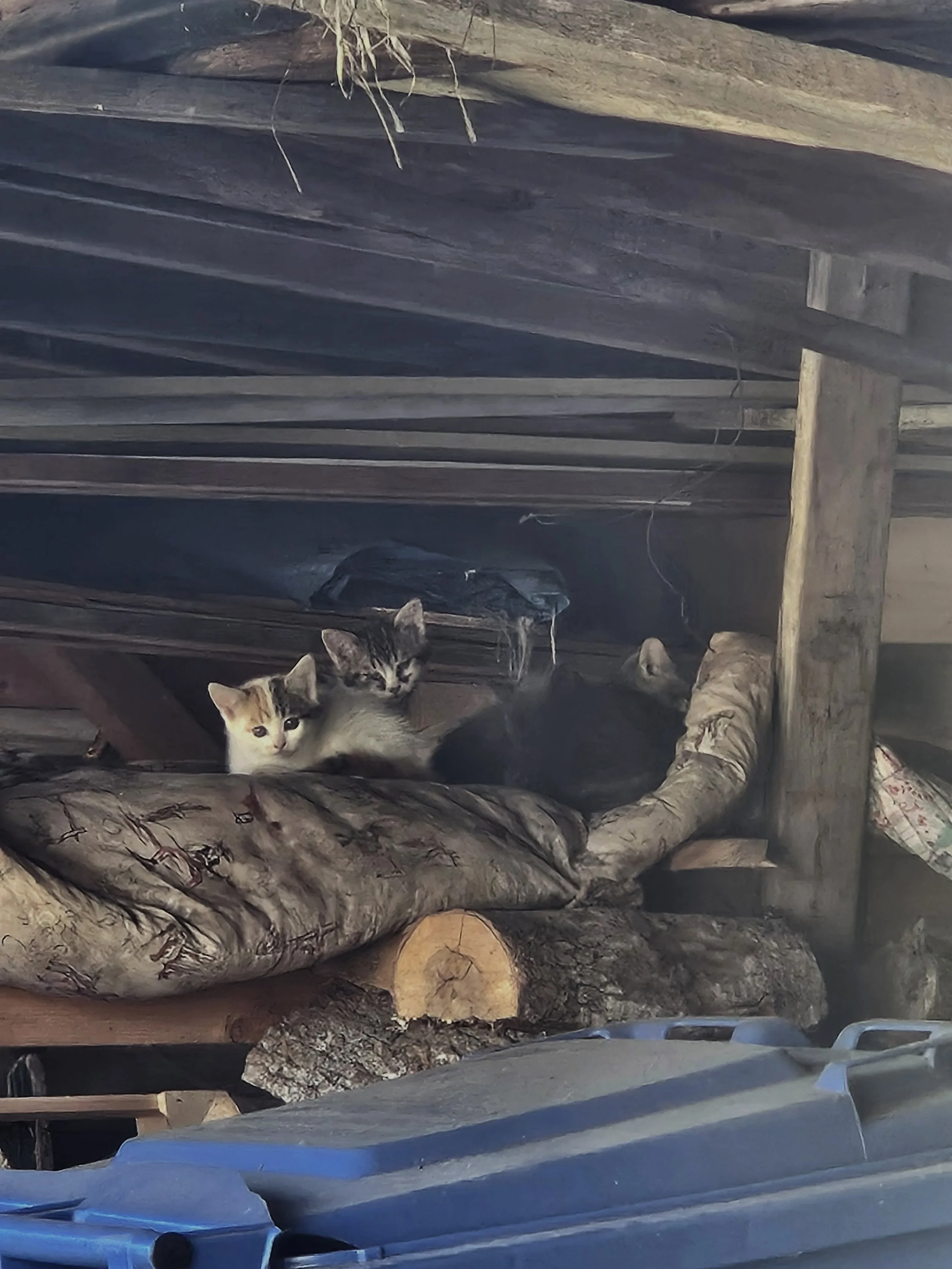
Request help for friendly cats or kittens
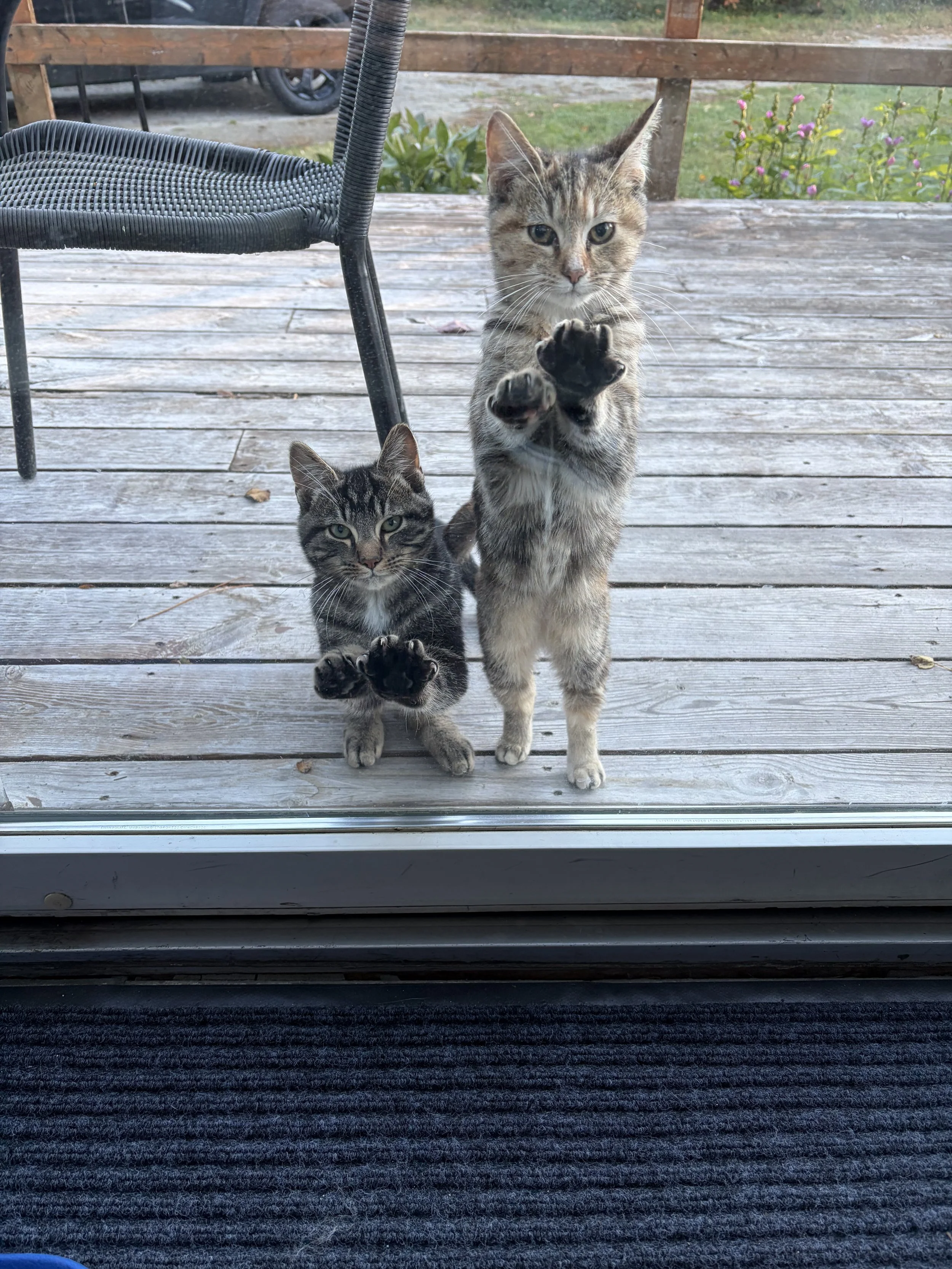
If a cat is comfortable around people, approachable, or enjoys being handled, they may be able to transition to indoor life and eventually find an adoptive home.
Kittens under 4 months can often be socialized even if they are initially fearful, shy or uncomfortable around people. They don't need to be friendly or used to handling when they are first found.
The goal is to bring them into care, provide a safe foster home, arrange necessary veterinary care, and prepare them for adoption.
How to request that we take a friendly cat or kitten into our care
And what happens next
-
Complete our intake form (the link is at the bottom of this page) with as much information as possible, including photos, the cat's approximate age, temperament and circumstances.
-
TNR La Pêche generally reviews requests within 7 to 10 days to determine whether the cat is a good fit for our services and whether we have an appropriate foster home available and organizational capacity.
Submitting a request does not guarantee acceptance. -
If your request looks like a potential fit, we will contact you directly to discuss next steps.
if you do not hear back from us within 2 weeks, please continue exploring other options for the cat, as we may not have the capacity to assist.
-
If accepted, we identify a suitable foster home and coordinate the next steps.
-
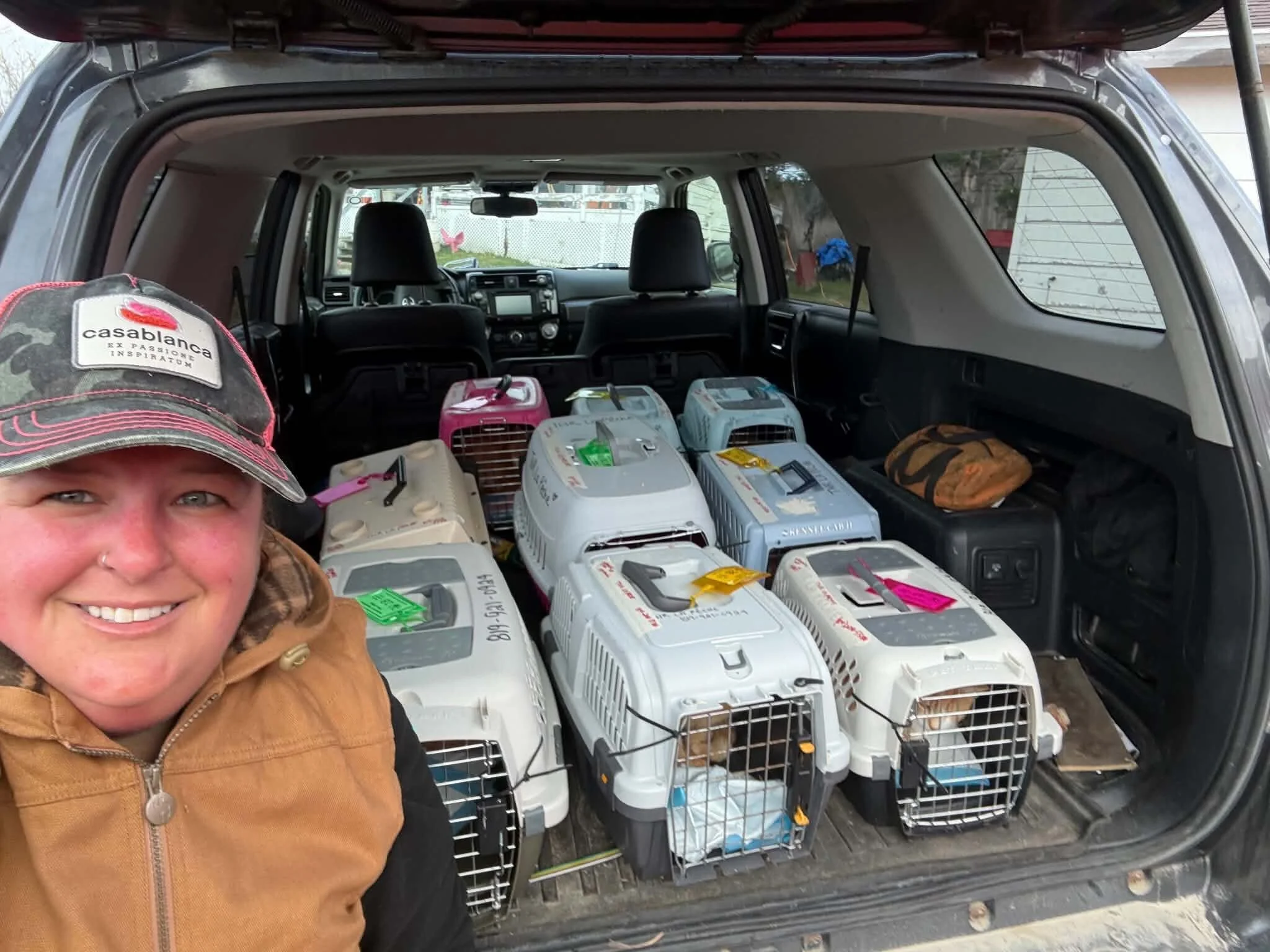
In most cases, the person reporting the cat is responsible for safely catching and securing them in an appropriate carrier for transporting to their foster.
As a small, volunteer-run organization, we don't have the capacity to provide trapping or capture assistance for every intake request.
If you need help, please let us know early so we can discuss the potential solutions before any arrangements are made.
-
Their foster family provides day-to-day care in their home, while TNR La Pêche coordinates veterinary appointments, provides supplies and supports the foster family.
-
Once the cat is ready, we manage the adoption process and work toward finding them a forever home.
Is there a fee?
There is no fee to have an adoptable cat accepted into our care, although donations are always appreciated!
We recover some of the costs of caring for each cat through their eventual adoption fee. This helps cover veterinary expenses such as sterilization, vaccinations, deworming and microchipping, as well as fostering expenses like food and litter.
However, the actual cost of caring for a cat is often much higher than the adoption fee. We typically spend hundreds of dollars more than we recover, and in some cases, costs can reach thousands of dollars when significant veterinary care is needed.
Donations help cover these additional expenses and allow us to continue taking in cats and kittens who need a chance at indoor life.
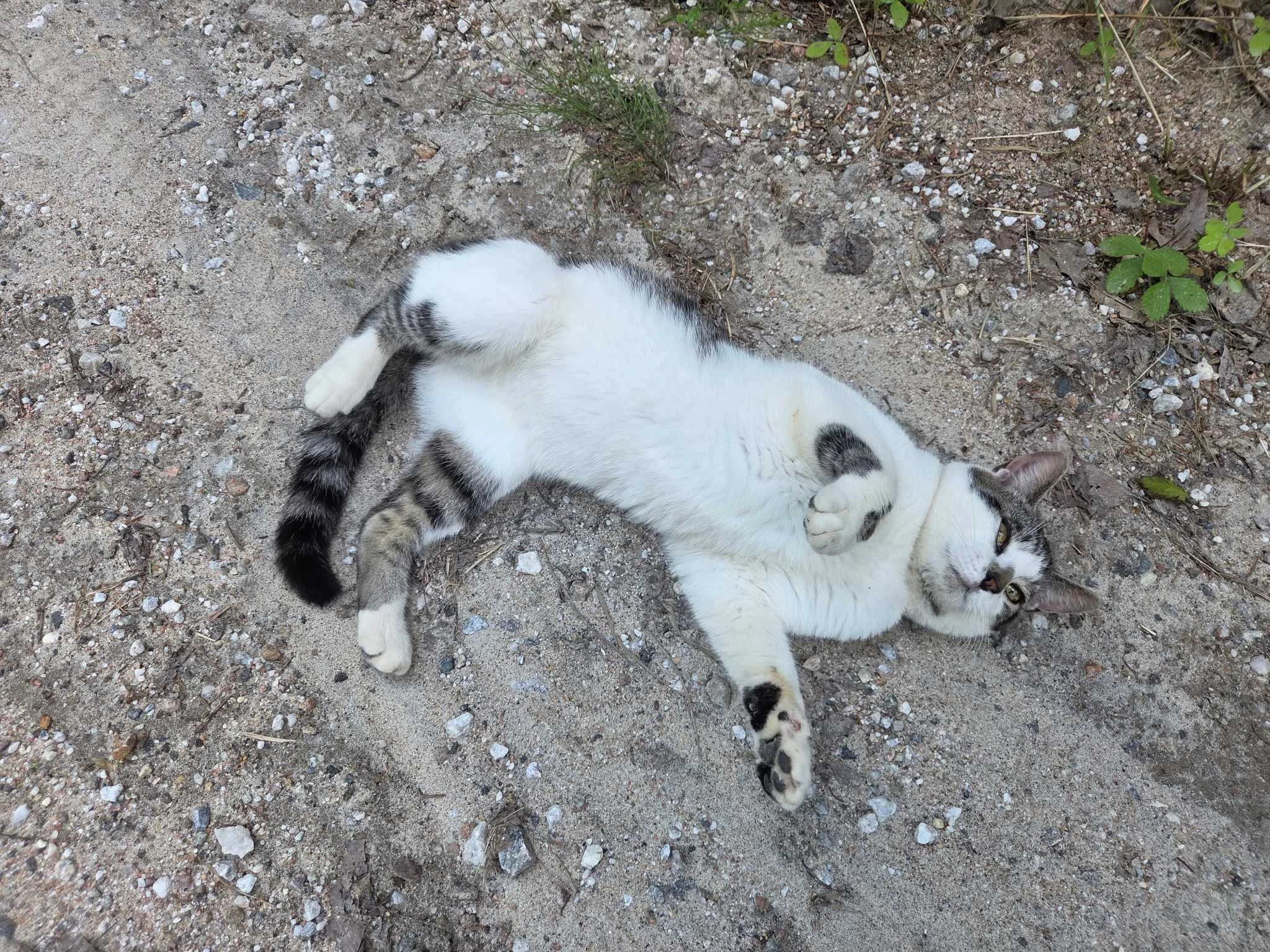
Request help for fearful or unsocialized cats or colonies
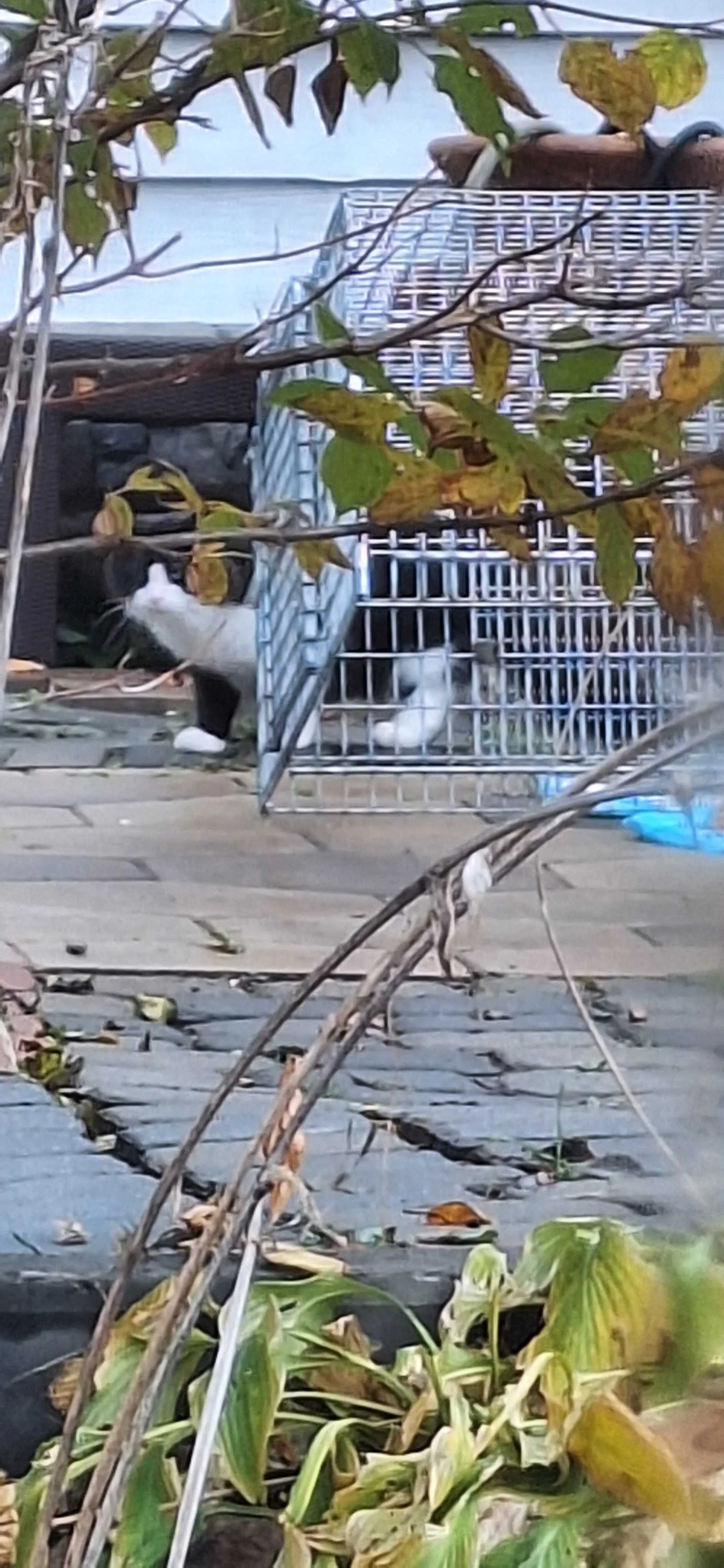
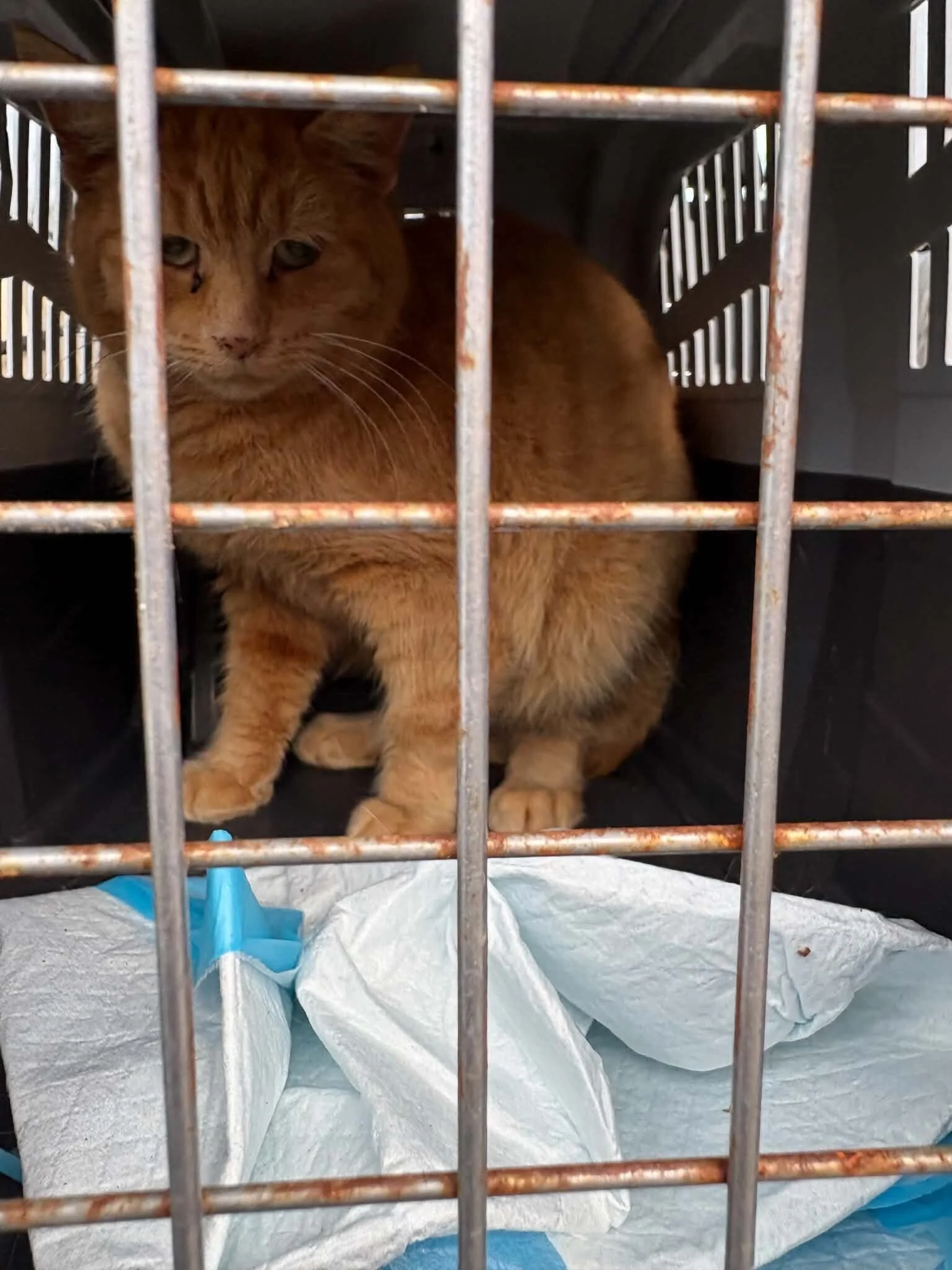
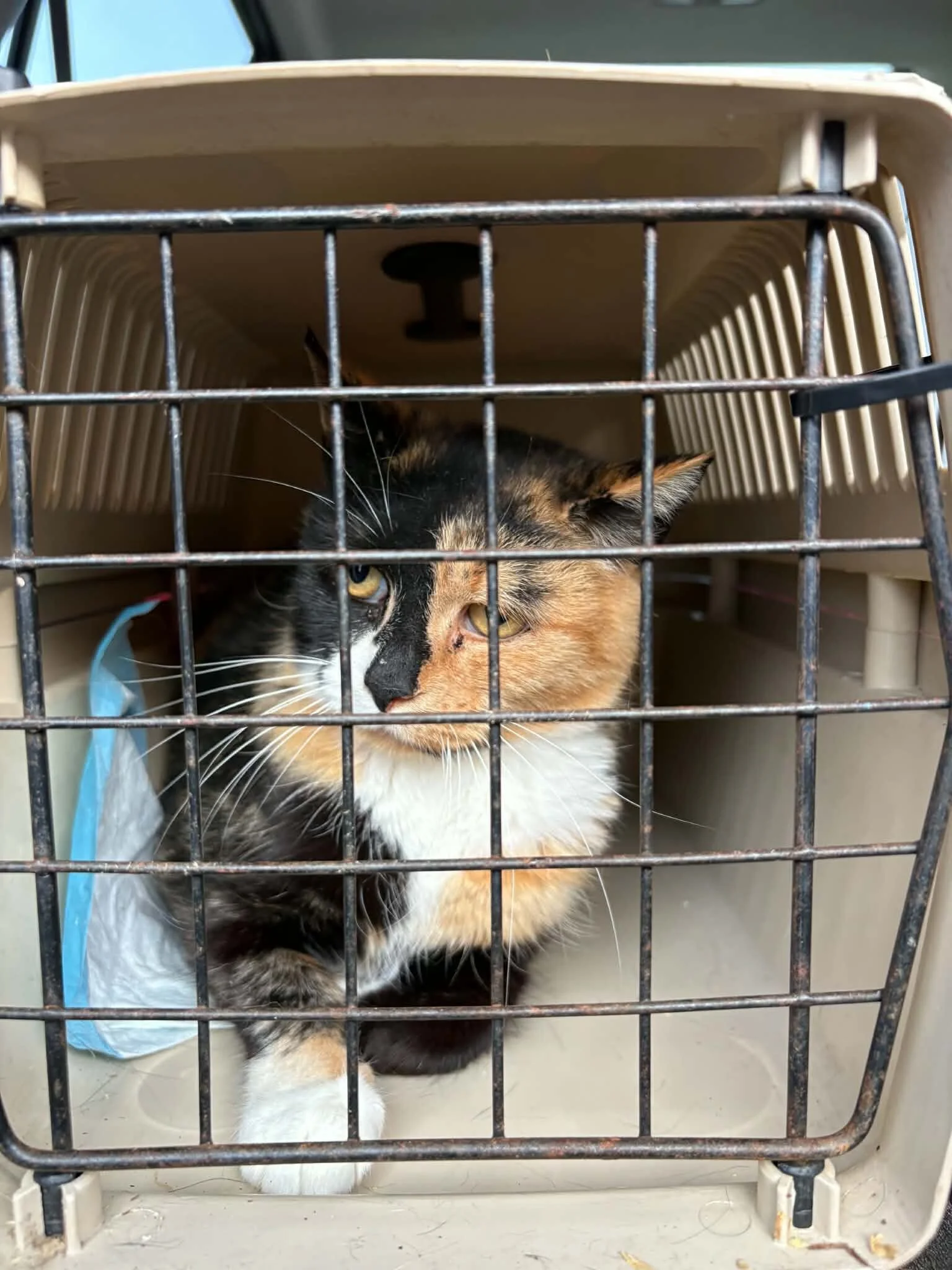
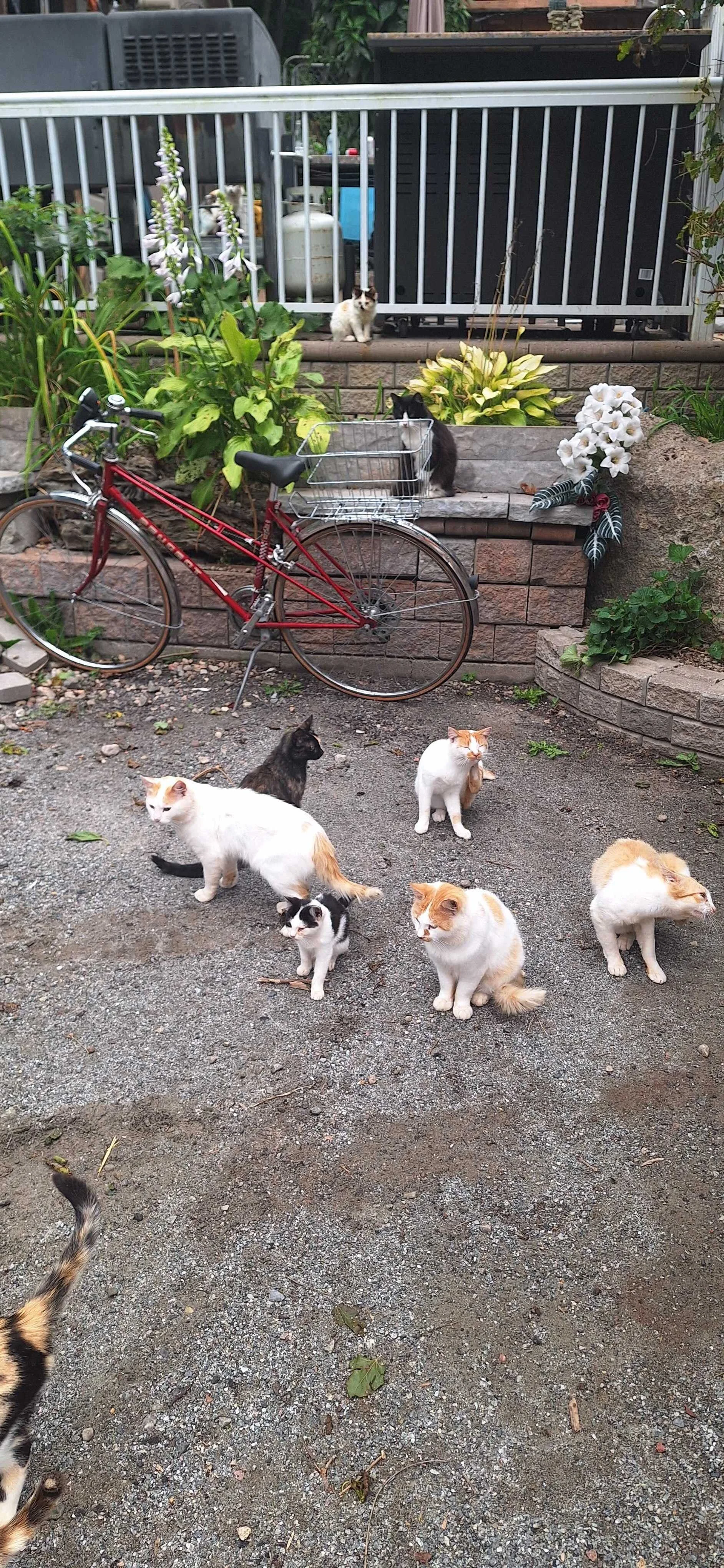
Not every cat living outdoors needs to be brought indoors.
Some cats, particularly adult cats who are unsocialized or very fearful of people, are better suited to remaining in the outdoor environment they know.
Trap-Neuter-Return (TNR) prevents unwanted litters, reduces outdoor cat populations, and improves the health and welfare of cats.
A cat does not need to be completely feral to be a candidate for TNR. Some cats are simply too fearful or under-socialized to transition successfully to indoor life. Bringing them into a foster home may cause significant stress to the cat and also put the well-being of our foster families and their resident pets at risk.
Important:
TNR is a collaborative process, generally led by the person who is seeking help, including trapping and providing indoor recovery space following their sterilization surgery.
We do not relocate cats. Cats are returned to the same property where they were trapped.
TNR cats are ear-tipped to identify them as already sterilized, preventing unnecessary repeat trapping in the future.
How to request that we support you with a TNR project
And what happens next
-
Tell us about the cats, their location, approximate numbers and circumstances through the intake form (the link is at the bottom of this page).
-
We assess whether TNR is appropriate and whether we have the capacity to help, generally within 7 to 10 days of receiving a request.
Submitting a request does not guarantee assistance.
-
If your request looks like a potential fit, we will contact you directly to discuss next steps.
if you do not hear back from us within 2 weeks, please continue exploring other options for the cat, as we may not have the capacity to assist.
-
If approved, we coordinate veterinary appointments, a trapping schedule, and provide instructions for trapping, recovery and return.
If needed, we may be able to provide trapping and recovery supplies.
In-person support for trapping is for typically exceptional circumstances when our capacity allows.
-
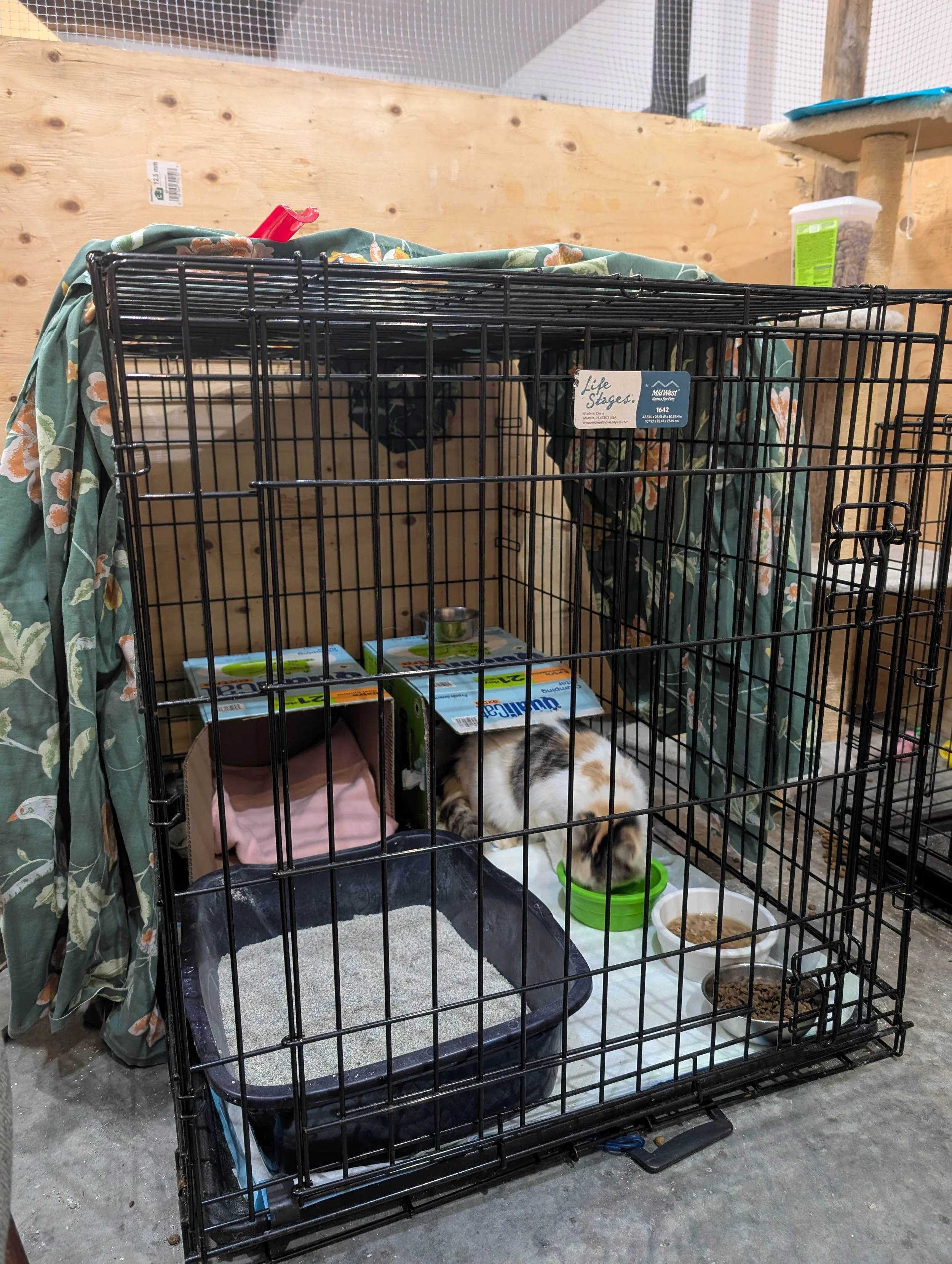
You are generally responsible for trapping the cats, transportation to and from the vet, providing a safe indoor recovery space, and returning the cats to their outdoor home and provide ongoing food, water, shelter and care. We will provide support as possible and as agreed to in our plan.
Is there a fee for TNR?
We understand that covering the cost of sterilizing multiple cats can be a significant financial commitment.
TNR La Pêche relies on donations and fundraising to help subsidize the cost of our TNR work. However, these funds rarely cover the full cost of sterilizing an entire colony. We therefore generally ask people requesting assistance to contribute what they can toward veterinary expenses.
We work with each applicant to establish a reasonable cost-sharing arrangement based on the size of the colony, estimated veterinary expenses, the applicant’s financial circumstances and the funding available to us.
For larger colonies or situations where costs are a barrier, a dedicated Zeffy fundraising campaign may be needed to help cover veterinary expenses.
All financial arrangements must be discussed and agreed upon before any work begins.
Ready to ask for help?
If you've reviewed the information above and believe TNR La Pêche may be able to help, please complete an intake request form. Provide as much detail as possible about the cat or kittens, their location and circumstances so we can better understand the situation.
Submitting a request does not guarantee that we’ll be able to help, as all assistance depends on our available capacity and resources.
Thank you for your understanding, patience and support as we try to help all the cats we can!